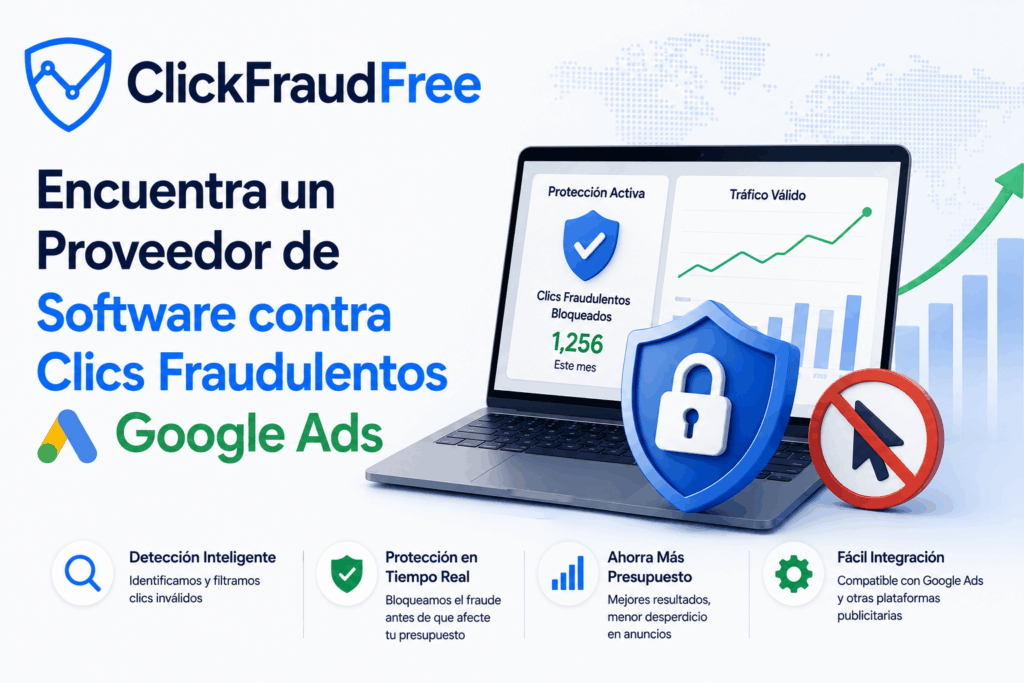
¿Cuáles son las mejores herramientas para prevenir fraudes en clics en campañas publicitarias?
Introducción a los fraudes en clics El fraude en clics es una práctica engañosa que ...


PPC fraud, or pay-per-click fraud, is a malicious activity where individuals or automated bots generate fake clicks on online advertisements. This deceptive practice can significantly inflate advertising costs while providing no real return on investment. Understanding the intricacies of PPC fraud is essential for businesses that heavily rely on digital marketing.
Many companies invest in PPC advertising to drive traffic and increase sales, but fraudulent clicks can undermine these efforts. These illegitimate clicks often come from competitors or unethical affiliates seeking to sabotage advertising campaigns. It’s crucial to recognize these fraudulent activities early to protect your business’s advertising budget and ensure effective marketing strategies.
Implementing robust monitoring systems and regularly analyzing your click data can help identify suspicious patterns. By understanding the nuances of PPC fraud, businesses can implement preventive measures and safeguard their marketing investments from potential threats.
PPC fraud can manifest in various forms, each posing unique challenges for advertisers. One prevalent type is click fraud, where bots or individuals repeatedly click on ads without genuine interest in the product or service. This tactic drains advertising budgets and distorts campaign performance metrics.
Another common form is impression fraud, which involves generating fake ad impressions to manipulate the ad’s visibility and ranking. This can lead to increased costs without delivering the expected audience reach. Ad stacking is another technique where multiple ads are layered on top of each other, resulting in only one visible ad but multiple charges to advertisers.
Recognizing these types of fraud can help businesses develop targeted strategies to counteract them, ensuring more accurate data and effective use of marketing resources.
PPC fraud poses a significant threat to businesses, impacting both financial performance and strategic decision-making. When companies fall victim to fraudulent clicks, they experience inflated advertising costs without receiving legitimate traffic or conversions. This not only wastes valuable marketing resources but also hinders the ability to reach genuine potential customers.
The consequences extend beyond financial losses, as misleading data from fraudulent activities can skew analytic insights. Businesses may make misguided decisions based on inaccurate reports, resulting in poorly optimized campaigns. Additionally, the brand’s reputation may suffer if ads are associated with spammy practices, leading to a loss of trust among consumers.
To mitigate these risks, businesses can implement fraud detection tools and establish strict monitoring protocols. Regular audits of ad campaigns and traffic sources can help identify anomalies and reduce the impact of PPC fraud. By maintaining vigilance and employing advanced preventative measures, companies can protect their interests and ensure a more effective digital marketing strategy.
Detecting PPC fraud early is crucial for protecting your advertising budget and ensuring the effectiveness of your campaigns. One of the primary signs indicating potential fraud is a sudden spike in click-through rates without a corresponding increase in conversions. This discrepancy often suggests that the clicks may not be coming from genuine customers but rather automated bots or fraudulent sources.
Another telltale sign is an unusual pattern of clicks from a specific geographical location where your business does not typically receive traffic. This could indicate that someone is deliberately targeting your ads to exhaust your budget. Additionally, a high bounce rate from certain ads can also be a red flag, as it might mean that users are unintentionally or intentionally clicking on your ads without genuine interest in your offerings.
To combat the detrimental effects of click fraud, businesses should consider implementing specialized monitoring tools designed to detect and prevent fraudulent activities. These tools are equipped with advanced algorithms that can identify irregularities in click patterns, helping you to safeguard your advertising investments.
Click fraud monitoring tools provide real-time analytics and alerts, allowing you to take immediate action whenever suspicious activity is detected. By analyzing data such as IP addresses, device IDs, and user behavior, these tools can effectively distinguish between genuine clicks and potential threats. This proactive approach not only saves money but also ensures the integrity of your PPC campaigns.
One effective strategy to mitigate the risks associated with PPC fraud is utilizing IP exclusion techniques. By identifying and excluding IP addresses that exhibit suspicious behavior, advertisers can prevent their ads from being shown to non-legitimate sources, thereby conserving their budget for genuine prospects.
IP exclusion involves analyzing the IP addresses that interact with your ads and filtering out those that consistently generate invalid clicks. This can be done manually or through automated tools that track IP activity. By maintaining a regularly updated list of blocked IPs, businesses can significantly reduce the impact of fraudulent clicks on their campaigns, ensuring that their advertising efforts reach only the most relevant audience.
One of the most effective ways to prevent PPC fraud is through the diligent setting up of conversion tracking. Conversion tracking allows advertisers to monitor what happens after a customer interacts with their ads, providing insights into the effectiveness of their campaigns. By implementing robust tracking mechanisms, businesses can accurately determine which clicks are genuine and which may be fraudulent. This not only helps in identifying potential fraud but also improves overall campaign performance by ensuring that advertising budgets are allocated efficiently.
To set up conversion tracking, start by defining clear conversion goals such as purchases, sign-ups, or downloads. Utilize tools like Google Ads’ conversion tracking to measure these goals effectively. Additionally, ensure that your tracking codes are placed correctly on your website to capture accurate data. By analyzing this data, you can identify unusual patterns or spikes in activity that may indicate fraudulent clicks, allowing you to take necessary actions promptly.
Benefits of Conversion Tracking:
To safeguard against PPC fraud, it’s crucial to focus on traffic quality monitoring. This process involves continuously assessing the quality of traffic that clicks on your ads. By employing sophisticated monitoring tools, businesses can distinguish between legitimate users and fraudulent bots. This distinction is vital for maintaining the integrity of your advertising efforts and ensuring that your budget is spent on genuine potential customers.
Consider using advanced analytics tools that offer detailed insights into user behavior. These tools help in identifying anomalies in click patterns, such as a sudden increase in clicks from a specific location or device. By analyzing these patterns, businesses can take proactive measures to block fraudulent sources and maintain the quality of their traffic. Additionally, regular audits of your PPC accounts can help in identifying any discrepancies or irregularities early on.
Steps to Implement Traffic Quality Monitoring:
Partnering with trusted PPC agencies is a strategic move to combat PPC fraud effectively. These agencies possess the expertise and resources to manage and monitor advertising campaigns with a high level of scrutiny. By collaborating with a reputable agency, businesses can benefit from their comprehensive fraud detection technologies and in-depth market knowledge. This partnership ensures that your advertising budget is protected and that your campaigns are optimized for genuine engagement.
When selecting a PPC agency, it’s essential to consider their track record and reputation in handling PPC fraud. Look for agencies that offer transparent reporting and have a proven history of delivering results. Additionally, a good agency will provide personalized strategies tailored to your specific business needs, ensuring that your campaigns are aligned with your goals. By leveraging their expertise, companies can focus on their core operations while the agency takes care of optimizing and safeguarding their PPC efforts.
Benefits of Working with Trusted PPC Agencies:
In the dynamic world of pay-per-click (PPC) advertising, staying informed about the latest fraud prevention technologies is crucial. As fraudsters continuously evolve their methods, businesses must adapt and leverage cutting-edge tools to safeguard their investments. One of the key strategies is to engage with industry forums and subscribe to newsletters from reputable sources. These platforms often provide insights into emerging threats and the best practices to counter them, ensuring that your campaigns remain secure and effective.
Another effective way to stay updated is by attending webinars and conferences focused on digital marketing and cybersecurity. These events are invaluable for learning about the newest technologies and strategies directly from experts in the field. Additionally, follow influential thought leaders on social media who frequently share updates and analyses on the latest trends in PPC fraud prevention. By actively participating in these communities, you can gain a competitive edge and implement proactive measures to protect your campaigns.
By embracing these technologies and integrating them into your overall marketing strategy, you can significantly reduce the risk of PPC fraud. Staying vigilant and informed is essential in maintaining the integrity and success of your advertising efforts.
Introducción a los fraudes en clics El fraude en clics es una práctica engañosa que ...
Si tus tasas de conversión están bajando y tus costos publicitarios están subiendo, ClickFraudFree puede ...
Introducción En la era digital actual, la publicidad en línea se ha convertido en un ...
Introducción al Fraude en PPC El fraude en PPC es una práctica maliciosa que afecta ...
Asegurando el Rendimiento Confiable de las Campañas con Soluciones Innovadoras contra el Fraude de Clics ...
Introducción a la Prevención de Fraude en PPC En el mundo de la publicidad digital, ...
Por qué la Prevención del Fraude por Clics es Crítica para Tu Estrategia Publicitaria con ...
Importancia de proteger tus campañas publicitarias En el mundo digital actual, proteger tus campañas publicitarias ...
Introducción a la Protección Publicitaria en Línea La protección publicitaria en línea es esencial para ...
Cómo las Empresas Evalúan Servicios de Gestión de Campañas para Prevenir el Fraude de Clics ...
Importancia de detectar fraude en campañas PPC El fraude en campañas PPC es un problema ...
Presentando ClickFraudFree: Un Cambio de Juego en el Mundo de la Publicidad Digital En el ...

Introducción al fraude publicitario digital El fraude publicitario digital es una amenaza creciente que afecta a anunciantes y marcas en todo el mundo. Con el

Introducción al fraude de clics El fraude de clics es un problema creciente que afecta a las empresas que invierten en publicidad digital. Este fenómeno

La importancia del software de fraude de clics En el panorama en constante evolución del marketing digital, el aumento del fraude de clics se ha

Enviar WhatsApp